In Hawaii, where high dollar corporate development in resorts and modest home renovations are commonplace, the construction industry thrives, but not without its shadows. Illegal Contracting—defined as performing construction work without the required state licensing—poses significant risks to workers, homeowners, and the community at large. Under Hawaii Revised Statutes Chapter 444, contractors must be licensed to ensure they meet safety standards, carry appropriate insurance, and adhere to building codes. Yet, unlicensed operations persist, often cutting corners on safety to undercut prices, leading to preventable accidents and legal headaches. A recent incident on Oahu underscores these perils, highlighting how such practices can turn deadly.
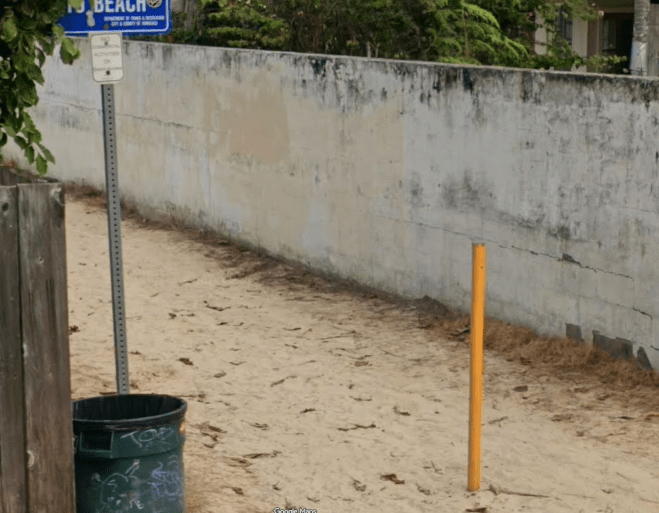
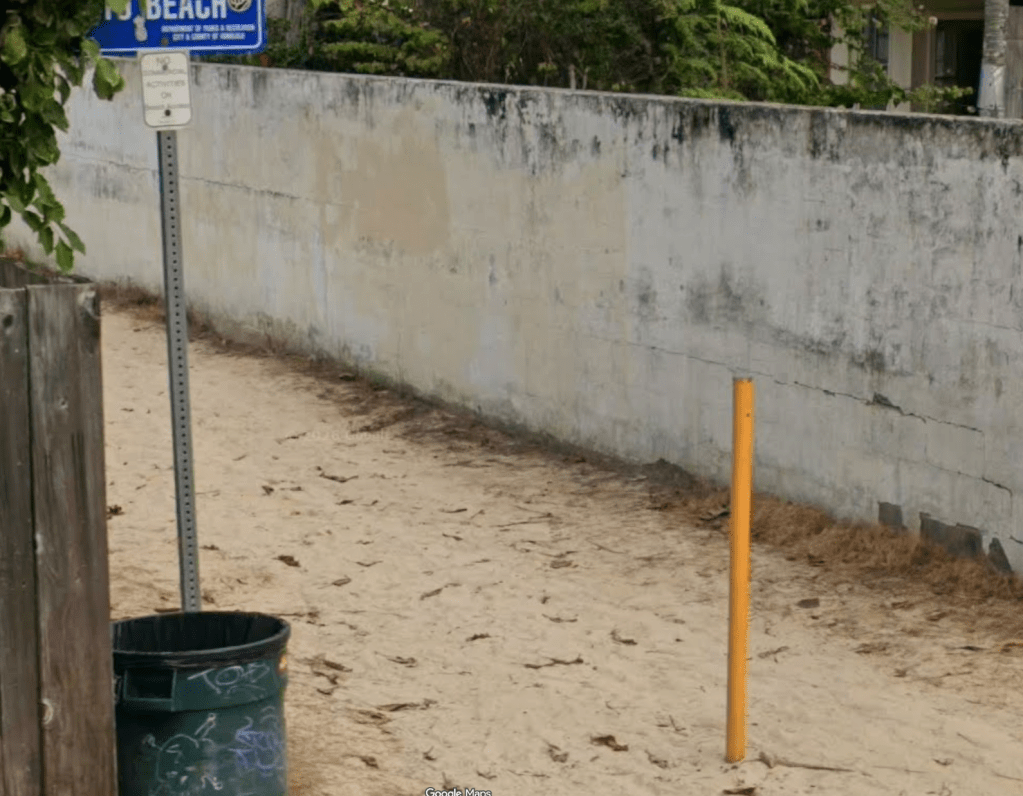
On March 11, 2026, a horrific accident occurred at a construction site in Lanikai, Oahu, when a seven-foot exterior concrete wall collapsed onto three workers digging a trench at a custom home, near a beach access path off Mokulua Drive. The collapse, reported around 8:50 a.m., resulted in one worker, aged 58, being pronounced dead at the scene, while the other two, aged 34 and 39, suffered serious leg injuries and were rushed to a nearby hospital. Witnesses described hearing a loud crash followed by screams, with emergency responders from Honolulu Police, Fire Department, and Emergency Medical Services arriving promptly to extricate the victims. The workers were employed by a masonry subcontractor involved in building a multi-million-dollar beachfront home, though the specific companies identity has not been publicly released. Investigations by multiple agencies, including the state Occupational Safety and Health Administration (OSHA), Honolulu Police Department, and city building departments, are ongoing to determine the cause, with early reports suggesting the wall may have lacked proper reinforcement or a solid footing. Community speculation, including comments from industry insiders, have raised questions about whether the builder of the wall was licensed or if wall build was “illegal” or not compliant with OSHA standards, or permitting protocols.
This tragedy is not isolated; it exemplifies the broader issue of illegal contracting in Hawaii. Unlicensed contractors often bypass rigorous training, inspections, and insuring requirements, increasing the likelihood of structural failures, injuries, and fatalities. In 2025 alone, Hawaii’s Department of Commerce and Consumer Affairs (DCCA) received complaints daily against unlicensed operators through its Regulated Industries Complaints Office (RICO), with penalties ranging from fines to criminal charges, though actual investigations are few. Homeowners tempted by lower bids from these “handymen” may save upfront but face exorbitant costs later, including rework, legal fees, and liability for accidents on their property. Moreover, workers employed by unlicensed firms are frequently unprotected, lacking access to workers’ compensation or proper safety gear, as mandated by state law.
Particularly insidious consequences of engaging unlicensed contractors is the impact on the valid insurance policies of actual contractors and the denied claims of homeowners. Homeowners and injured parties often find their policies voided or claims denied when work is performed by unlicensed individuals. When these claims are filed the prices policies for licensed contractors are raised exponentially. In Hawaii, insurers scrutinize licensing status during claims processing, and under standard homeowners’ policies, coverage for damages or injuries stemming from illegal contracting can be rejected outright. For instance, if a worker is hurt on a job site run by an unlicensed contractor, the property owner could be deemed the de facto employer, making them personally liable for medical bills and lost wages without recourse to the contractor’s nonexistent insurance. Similarly, property damage claims—such as those for faulty repairs or collapses—may be denied if the work violated licensing laws, leaving homeowners to foot repair bills that could run into tens of thousands of dollars. The DCCA warns that unlicensed activity not only invalidates bonds and warranties but also exposes everyone involved to heightened financial risk.

The Lanikai incident serves as a stark reminder that skimping on licensing isn’t just unethical—it’s dangerous. As investigations continue, with potential revelations about the contractor’s status, it’s crucial for residents to verify licenses through the DCCA’s online portal before hiring.
By prioritizing licensed professionals, Hawaii can reduce workplace hazards, protect economic interests, and prevent future tragedies. In a state where construction booms amid natural beauty, safety must always come first.

Discover more from South Pacific Concrete & Masonry LLC
Subscribe to get the latest posts sent to your email.
