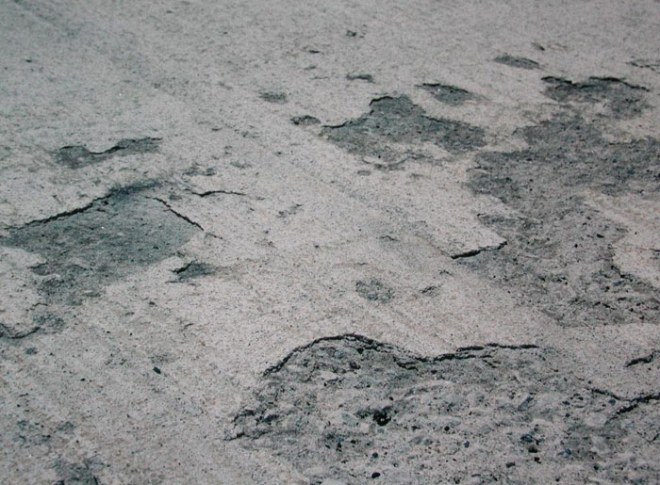
Type 1L cement, also known as Type IL or Portland Limestone Cement (PLC), is a new blended cement that incorporates up to 15% ground limestone to replace traditional clinker. It was introduced as part of the green initiatives of the Biden era that touted to reduce the carbon footprint of concrete production by about 10%, making it more environmentally friendly by lowering CO2 emissions. Adoption has saturated the U.S., with shipments surpassing traditional Portland cement by mid-2022, and it’s now the dominant type used in general construction. However, since its widespread rollout around 2021, reports of performance issues have emerged, particularly in 2025 nationwide news coverage.
Reported Problems in News and Industry Reports
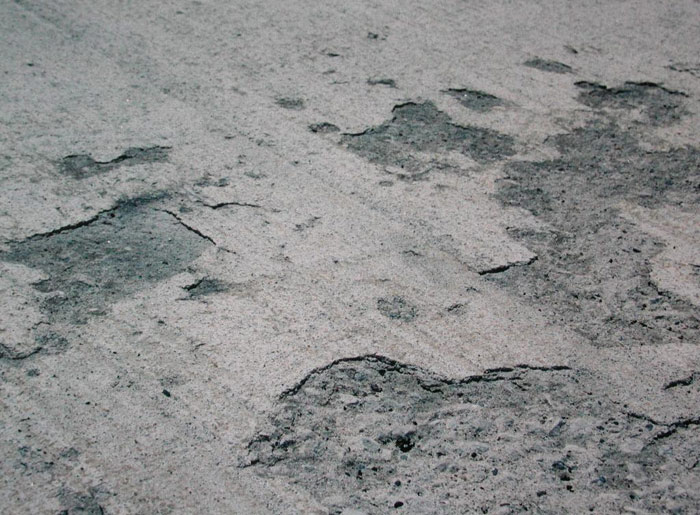
Major news organizations investigations and industry discussions in 2025 highlighted several challenges with the Type 1L cement, often linked to its finer grind, higher limestone content, and altered properties compared to traditional Type I/II cement. These issues have affected roads, bridges, floors, and flatwork, leading to durability concerns and calls for further testing. Key problems include:
**Cracking and Premature Deterioration in Infrastructure**: In Indiana, investigations by the Department of Transportation (INDOT) and lawmakers revealed widespread cracking, scaling, and premature wear on roads and bridges. A newer type of cement like Type 1L was identified as a contributing factor, with structures showing issues shortly after construction. INDOT imposed new limitations on its use and is conducting lab tests on concrete samples. Lawmakers described the situation as “urgent,” questioning long-term durability, and one representative noted faded road paint and worsened road conditions attributed to the cement.
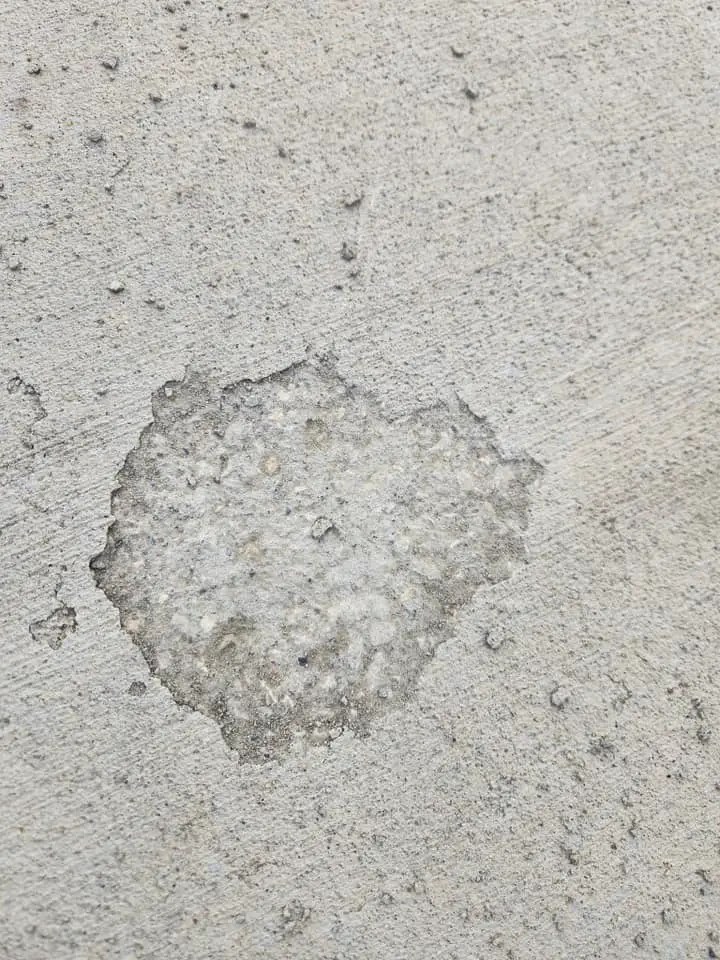
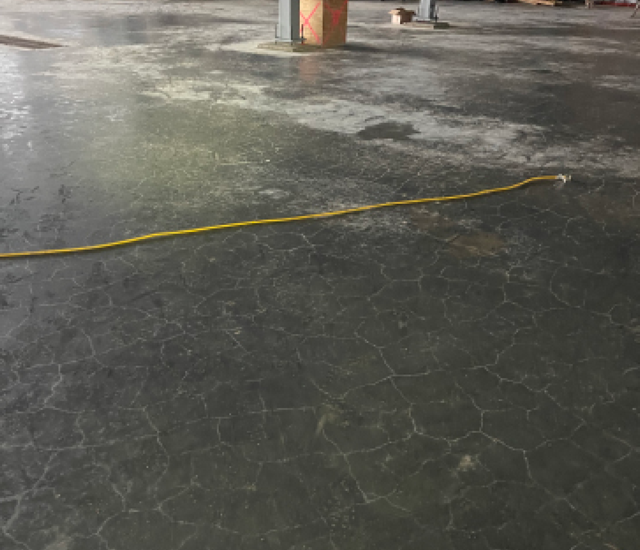
**Finishing and Workability Challenges**: Nationwide concrete contractors reported difficulties in finishing 1L concrete, including reduced workability, increased water demand, and slower setting times, especially in cold weather. This has led to plastic shrinkage cracks, thermal cracks, and surface delamination. In Kansas City, a “perfect storm” of harsh weather exacerbated issues in early 2025, resulting in scaled surfaces and full delamination of slabs. Admixtures designed for regular Portland Cement types may not be compatible, and use of plain clean water, both normally used for decades to enhance workability contributes to Type 1L’s failures.
**Reduced Strength and Durability**: Type 1L cement often exhibits slower early strength gain, higher porosity, and increased susceptibility to abrasion and environmental damage. Studies and field observations showed lower abrasion resistance and potential for dusty, weak surfaces. In extreme conditions, it’s more prone to frost damage, shrinkage, and long-term deterioration. Surveys from organizations like the American Society of Concrete Contractors (ASCC) indicated over half of respondents experienced more frequent problems, such as bonding issues and low-strength breaks, compared to traditional cement.
**Industry-Wide Impacts and Discussions**: In areas like Kansas and Colorado, contractors noted a “durability crisis” amplified by the switch to Type 1L. Social media and forums buzzed with complaints, with some experts warning that issues could worsen if limestone content increases further. Events like panel discussions in late 2025 addressed these challenges, emphasizing the need for adapted finishing techniques and better communication.
Industry Response and Pushback
The cement industry, including the American Cement Association (ACA) and Portland Cement Association (PCA), who sell the product, defend Type 1L, stating it’s used successfully worldwide and state its not inherently problematic. They urge data-sharing on failure locations and attribute issues to factors like weather, admixtures, or improper application rather than the cement itself. Despite the real world data, the cement industry suggest surveys and studies that aim to mitigate risks through liquid hardeners, densifiers, or mix adjustments.
Overall, while Type 1L salesmen and the industry giants have followed the so called sustainability benefits, while 2025 news focused on real-world performance gaps, prompting investigations and adaptations across the U.S. construction sector.
South Pacific Concrete & Masonry L.L.C.
Placing the Foundations for Hawaii’s Families since 1994.
Like our post to receive updates and new content weekly.
Discover more from South Pacific Concrete & Masonry LLC
Subscribe to get the latest posts sent to your email.
