
What Drives Cost of Concrete Projects in Hawaii
To understand what drives the cost of concrete projects involves several key factors especially in the unique landscapes of the Hawaiian Islands.
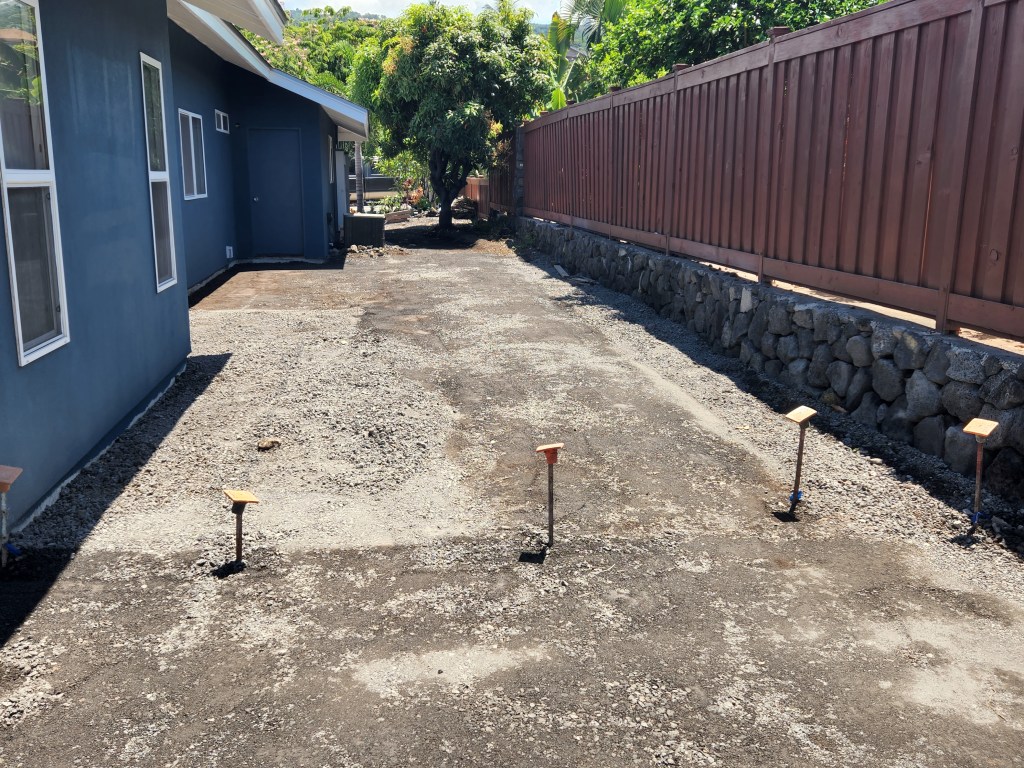
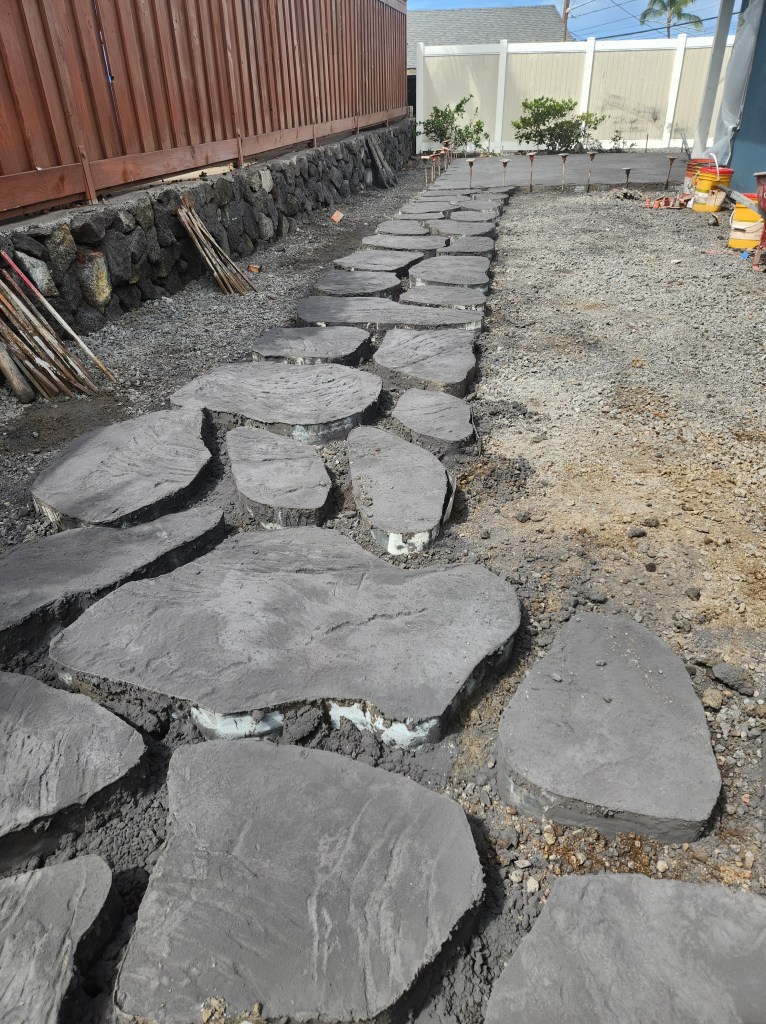
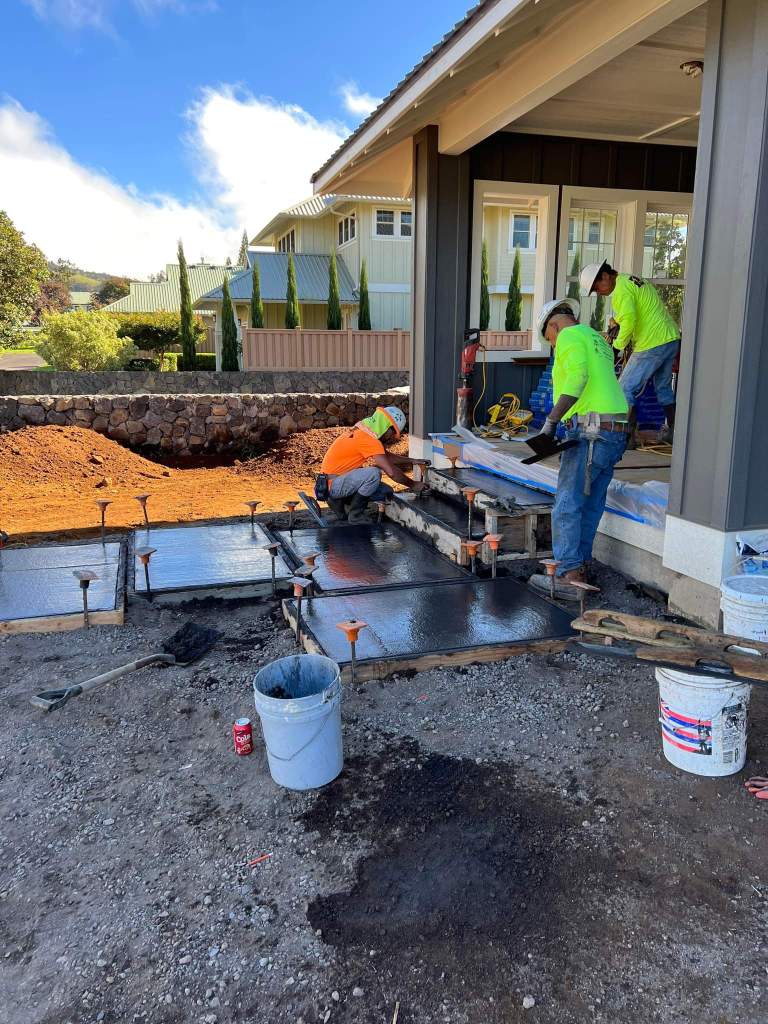
Material costs, including the price of aggregates, rebar, and lumber make up a significant portion of the a projects budget. Labor expenses also play a crucial role, often accounting for 30-50% of total costs, influenced by skill levels and differing regional Island to Island wages. Site preparation, including soil testing and grading, is essential for structural integrity and can impact long-term expenses. Additionally, project complexity and various fees for permits further affect total expenditure. A thorough assessment of these elements is vital for accurate budgeting and project success, offering insights into optimizing investment strategies.
Material Costs
Material costs represent a significant portion of the overall expenditure in concrete projects, encompassing a range of components essential for construction. The primary materials involved in these projects include cement, aggregates, and admixtures, all of which contribute to the final cost and performance of the concrete.
Aggregate pricing plays a crucial role in determining the overall material costs, as aggregates typically account for up to 70% of the concrete mix by volume.
Different concrete types, such as standard concrete, high-strength concrete, and specialized mixes, exhibit varying material requirements and costs. The choice of aggregates—whether natural or manufactured—affects not only the pricing but also the workability and durability of the concrete.
Additionally, the use of supplementary cementitious materials, such as fly ash or slag, can enhance properties while potentially reducing costs depending on local availability and pricing structures.
To effectively manage material costs, project leads must conduct thorough market research to understand fluctuations in aggregate pricing and select appropriate concrete types that align with project specifications and budgetary constraints.
This strategic approach ensures optimal resource allocation and contributes to the overall success of concrete projects.
Labor Expenses
How do labor expenses influence the overall budget of concrete projects? Labor costs represent a significant portion of the total expenditure, often accounting for 30-50% of the project budget. Factors such as wage fluctuations and the availability of skilled labor can dramatically impact these expenses. Skilled labor is essential for ensuring the quality and durability of concrete work, yet it often comes at a premium price.
The following table illustrates the relationship between labor type and associated costs:
Labor Type Average Hourly Wage
Unskilled Labor $18-$25
Semi-Skilled Labor $25-$35
Skilled Labor $35-$65
As wage fluctuations occur, project managers must account for potential increases in labor costs, which can stem from regional economic conditions or labor shortages. Consequently, understanding labor expenses is crucial for developing an accurate budget and ensuring that sufficient skilled labor is available to meet project timelines and specifications. Inaccurate labor cost estimations can lead to budget overruns and delays, underscoring the importance of careful planning and analysis.
Site Preparation Requirements
Site preparation is a critical phase in concrete projects that directly impacts the overall success and efficiency of the construction process. Proper site preparation ensures a stable foundation, minimizing future structural issues and enhancing the durability of the concrete work.
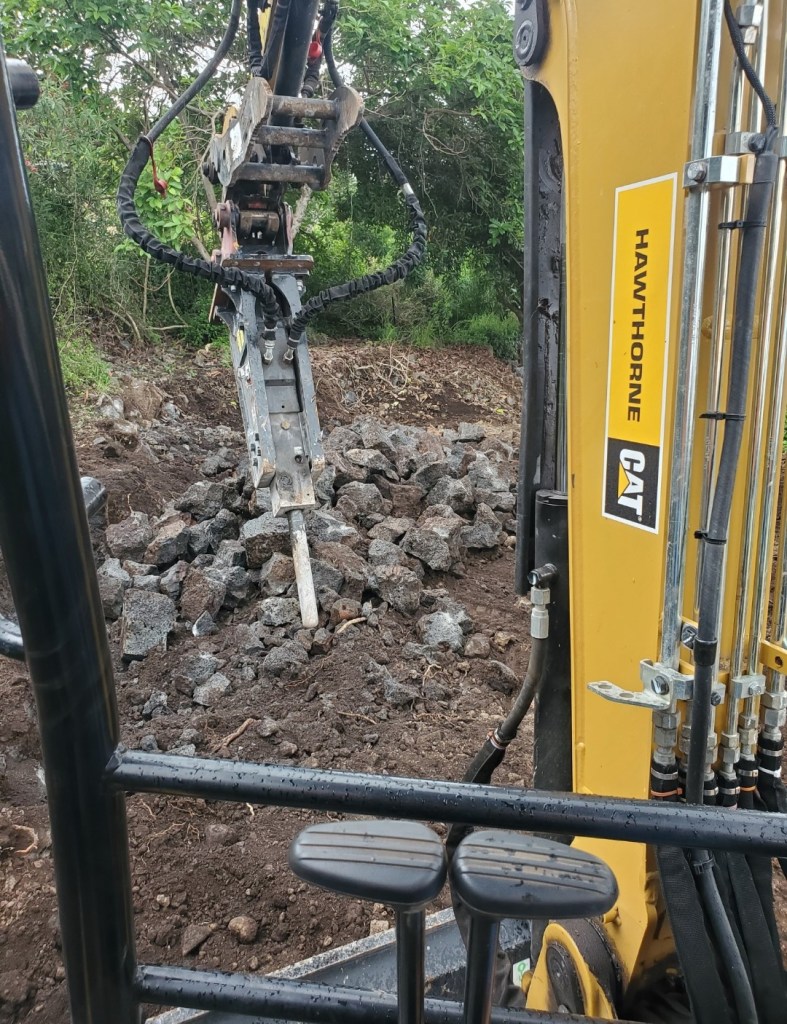
The initial step in site preparation involves assessment of the ground conditions. This analysis determines soil type, bearing capacity, moisture content, and potential contaminants. If solid rock formations exist hydraulic hammers must be used to achieve proper elevations. Understanding these factors is essential for informing decisions on appropriate grading techniques.
Once soil characteristics are established, grading techniques must be employed to achieve the desired elevation and slope. This process involves the removal and hauling of excess soil and rock, leveling uneven terrain, and creating proper drainage to prevent water accumulation. Cost of hauling and disposal often becomes a major factor in pricing. Effective grading ensures that the concrete surface is even, which is crucial for load distribution and longevity.
Neglecting site preparation can lead to significant long-term costs, including structural failures and extensive repair work. Therefore, investing time and resources in thorough site preparation and appropriate grading technique is paramount for the successful execution of any concrete project, ultimately contributing to cost efficiency and project viability.
Project Complexity
The complexity of a concrete project can significantly influence both its costs and timeline, with various factors contributing to this intricacy. Key elements, such as design specifications and the required level of craftsmanship, can complicate the execution of a project, leading to potential delays and increased expenses.
Consider the following factors that can heighten project complexity:
Unique Design Specifications: Custom shapes and sizes of form work or rebar fabrication necessitate advanced planning and skilled labor.
Site Conditions: Challenging terrains, existing structures, and access to the project area can complicate the construction process.
Logistical Challenges: Coordinating the delivery of materials, equipment and concrete pumping services for placement of concrete where there is limited access can lead to unforeseen delays.
Weather Variables: Adverse weather conditions of the Islands can disrupt the project timeline, affecting the curing process and overall progress.
Each of these factors can lead to a ripple effect, extending the project timeline and inflating costs.
Understanding the intricacies involved in project complexity is crucial for accurate budgeting and scheduling, enabling stakeholders to anticipate potential hurdles and plan accordingly.
Thus, comprehensive planning and risk assessment are paramount in managing the costs associated with complex concrete projects.

Additional Fees and Permits
Complexity in concrete projects extends beyond design and execution; it also encompasses the financial implications of additional fees and permits. Understanding the various permit applications required for a project is essential, as these can significantly influence overall costs. Each jurisdiction has its own fee structures, which can vary widely based on project scope, location, and specific regulations.
The table below summarizes common additional fees associated with concrete projects:
Fee Type Description
Building Permit Fee Charged for obtaining necessary approvals
Inspection Fees Costs incurred for required inspections
Impact Fees Charges for increased infrastructure demand
Environmental Permits Fees for compliance with environmental regulations
Variance Application Fee Costs for obtaining exceptions to zoning laws
Incorporating these fees into the overall project budget is crucial for financial planning. Failure to do so can lead to unanticipated expenses, jeopardizing project timelines and overall feasibility. Therefore, a thorough understanding of permit applications and associated fee structures is vital for successful project management.
Conclusion
In conclusion, understanding the costs associated with concrete projects necessitates a thorough analysis of material costs, labor expenses, site preparation requirements, project complexity, and additional fees or permits. Each factor contributes to the overall budget and impacts project feasibility. By meticulously evaluating these elements, stakeholders can make informed decisions, optimize resource allocation, and ultimately enhance project outcomes. A comprehensive assessment by Licensed Concrete Professionals ensures transparency, promotes efficiency, and fosters successful execution of all concrete endeavors.
Discover more from South Pacific Concrete & Masonry LLC
Subscribe to get the latest posts sent to your email.
